How to Make Beef Pares Like a Pro: A Filipino Classic
Nothing beats the comfort of a steaming bowl of Beef Pares on a cold day. This beloved Filipino dish, with its tender braised beef and rich, sweet-savory sauce, has captured hearts from Manila’s bustling streets to home kitchens around the world. Originally a humble street food served to workers seeking a hearty meal, Beef Pares has evolved into a cherished comfort food that brings families together.
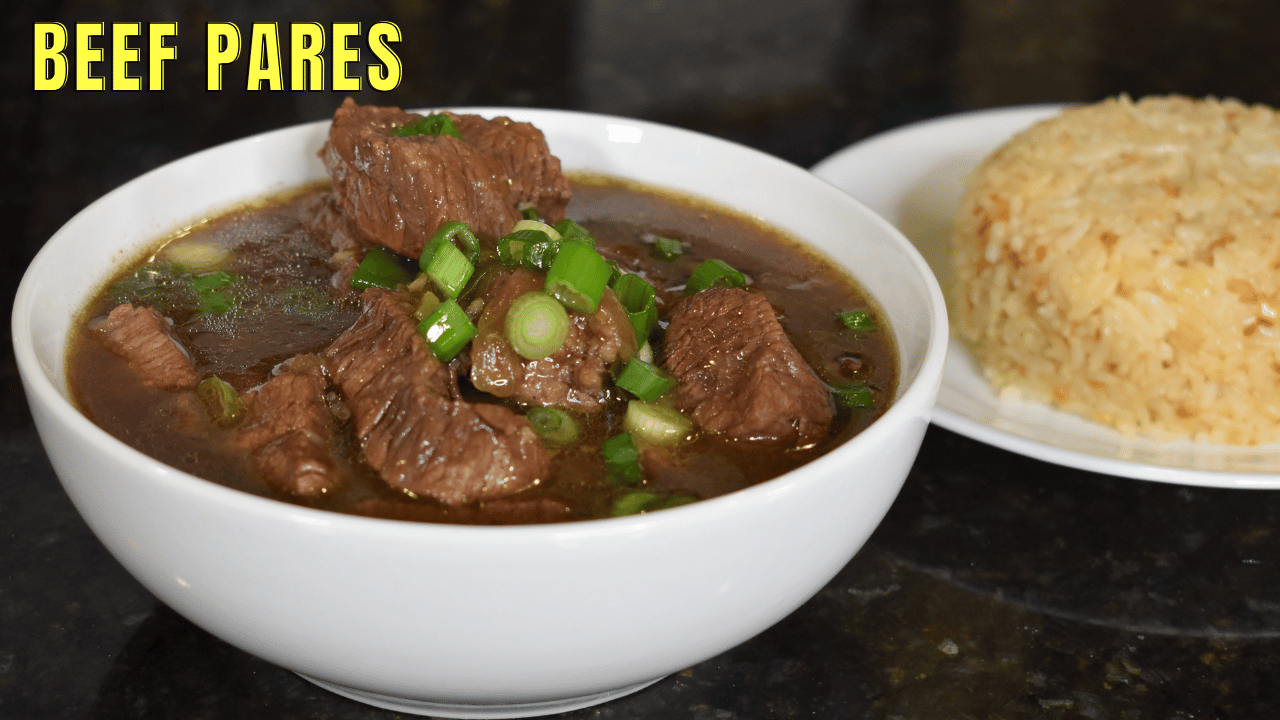
The name “pares” means “pair” in Filipino, traditionally referring to the classic duo of braised beef and garlic fried rice served side by side. What makes this dish special isn’t just its incredible flavor, but also its accessibility—with the right technique and ingredients, anyone can master this Filipino favorite at home.
This comprehensive guide will walk you through every step of creating authentic Beef Pares, from selecting the perfect cut of beef to achieving that signature glossy sauce that makes this dish irresistible.
The Story Behind This Filipino Favorite
Beef Pares originated in the busy streets of Manila, where vendors needed to serve quick, satisfying meals to hardworking locals. The dish gained popularity because it offered maximum flavor and nutrition at an affordable price point. Street vendors would simmer tough cuts of beef for hours until they became melt-in-your-mouth tender, creating a sauce so flavorful it could transform plain rice into a complete meal.
Over the decades, Beef Pares has transcended its street food origins. Today, you’ll find it in Filipino restaurants worldwide and on the dinner tables of countless homes. The dish represents the Filipino approach to cooking—transforming simple, humble ingredients into something extraordinary through patience, technique, and love.
Essential Ingredients for Authentic Beef Pares
Success in making Beef Pares starts with selecting quality ingredients. Here’s what you’ll need:
For the beef:
- 2 pounds beef loin tri-tip, cut into 2-inch cubes
- 3 tablespoons olive oil
- 5 cloves garlic, minced
- 1 large onion, chopped
- 1 small piece ginger, julienned
For the sauce:
- ½ teaspoon salt
- ½ teaspoon black pepper
- 3 tablespoons brown sugar
- 2 teaspoons five-spice powder
- ½ cup lite soy sauce
- 6 cups water
For finishing:
- 3 stalks green onion, chopped
- 2 tablespoons cornstarch dissolved in ½ cup water
The beef tri-tip works exceptionally well because it has enough marbling to stay juicy during the long braising process. The five-spice powder—a blend of cinnamon, star anise, cloves, ginger, and fennel—provides the dish’s distinctive aromatic complexity that sets it apart from other braised beef dishes.
Step-by-Step Guide to Perfect Beef Pares
Building the Flavor Base
Heat olive oil in a heavy-bottomed pot or Dutch oven over medium heat. Add the minced garlic, chopped onions, and julienned ginger. Sauté for 3-4 minutes until the aromatics become fragrant and the onions turn translucent. This foundation creates the flavor backbone of your dish, so don’t rush this step.
Searing and Seasoning the Beef
Add the beef cubes to the pot, stirring to coat them with the aromatic base. Season with salt, pepper, brown sugar, five-spice powder, and soy sauce. Mix everything thoroughly, ensuring each piece of beef is well-coated with the seasonings. The brown sugar will help create that characteristic glossy finish while balancing the saltiness of the soy sauce.
The Braising Process
Pour enough water to completely cover the beef—typically about 6 cups. Bring the mixture to a rolling boil, then reduce heat to low and cover the pot. This is where patience becomes crucial. Allow the beef to simmer gently for 60-90 minutes, or until the meat becomes fork-tender and easily shreds.
During this time, resist the urge to lift the lid frequently, as this releases steam and extends cooking time. The low, steady heat allows the tough connective tissues in the beef to break down into gelatin, creating that silky, rich sauce that makes Beef Pares so satisfying.
Final Touches
Once the beef reaches perfect tenderness, stir in the chopped green onions. Create a slurry by whisking cornstarch with cold water until smooth, then gradually add it to the pot while stirring continuously. Continue cooking for 2-3 minutes until the sauce thickens to a glossy, coating consistency.
Pro Tips for Restaurant-Quality Results
Choose the right cut: While tri-tip works excellently, chuck roast or short ribs are fantastic alternatives. These cuts have enough connective tissue to create a rich, gelatinous sauce when properly braised.
Temperature control is key: Keep the heat low during braising. Rapid boiling will make the meat tough and stringy rather than tender.
Taste and adjust: Every cook’s palate is different. Start with the recipe as written, then adjust the brown sugar for sweetness, soy sauce for saltiness, or five-spice powder for aromatics according to your preference.
Don’t skip the cornstarch: The thickening step isn’t just about consistency—it creates that signature glossy appearance that makes Beef Pares visually appealing.
Creative Variations to Try
While traditional Beef Pares is delicious as-is, here are some variations to explore:
Spicy Beef Pares: Add 1-2 fresh chilies or a teaspoon of chili flakes for heat.
Vegetable-enriched version: Include diced carrots, potatoes, or bell peppers during the last 30 minutes of cooking.
Different proteins: Try this recipe with chicken thighs, pork shoulder, or even firm tofu for vegetarian options.
Perfect Pairings and Serving Suggestions
Traditionally, Beef Pares is served over steamed white rice or alongside garlic fried rice (sinangag). The garlic fried rice adds another layer of flavor and helps absorb the rich sauce.
Other excellent accompaniments include:
- Pickled vegetables (atchara) to cut through the richness
- A simple side salad with tomatoes and onions
- Fried plantains for a touch of sweetness
- Clear soup or broth to cleanse the palate
Nutritional Benefits
Beyond its incredible taste, Beef Pares offers several nutritional advantages. Beef provides high-quality complete protein, essential for muscle maintenance and growth. It’s also rich in iron, zinc, and B vitamins, particularly B12.
The ginger in the recipe aids digestion and provides anti-inflammatory compounds, while garlic offers cardiovascular benefits and immune system support. When paired with rice, this dish provides a complete amino acid profile and sustained energy.
Storage and Reheating Tips
Beef Pares actually improves with time as the flavors meld and deepen. Store leftovers in the refrigerator for up to 4 days or freeze for up to 3 months. When reheating, add a splash of water or broth if the sauce has thickened too much, and warm gently over low heat to prevent the meat from becoming tough.
Bringing Filipino Comfort to Your Kitchen
Mastering Beef Pares connects you to a rich culinary tradition while creating a dish that’s guaranteed to comfort and satisfy. The beauty of this recipe lies not just in its delicious results, but in the process itself—the slow simmering that fills your kitchen with incredible aromas and the anticipation that builds as tough beef transforms into something magical.
Whether you’re cooking for family dinner or preparing a special meal to share Filipino culture with friends, this Beef Pares recipe delivers authentic flavors that honor the dish’s street food heritage while being perfectly suited for home cooking.
Take your time, trust the process, and prepare to fall in love with this Filipino classic. Once you’ve experienced the satisfaction of making Beef Pares from scratch, you’ll understand why this humble street food has captured hearts around the world.