Master the Art of Perfect Omelette Timing: When to Add Your Fillings
Creating the perfect omelette isn’t just about having fresh eggs and tasty fillings—it’s about mastering the delicate dance of timing. The difference between a restaurant-quality omelette and a rubbery disappointment often comes down to knowing exactly when to add your ingredients. Let’s explore the crucial window that transforms ordinary eggs into culinary gold.
The Critical 30-60 Second Window
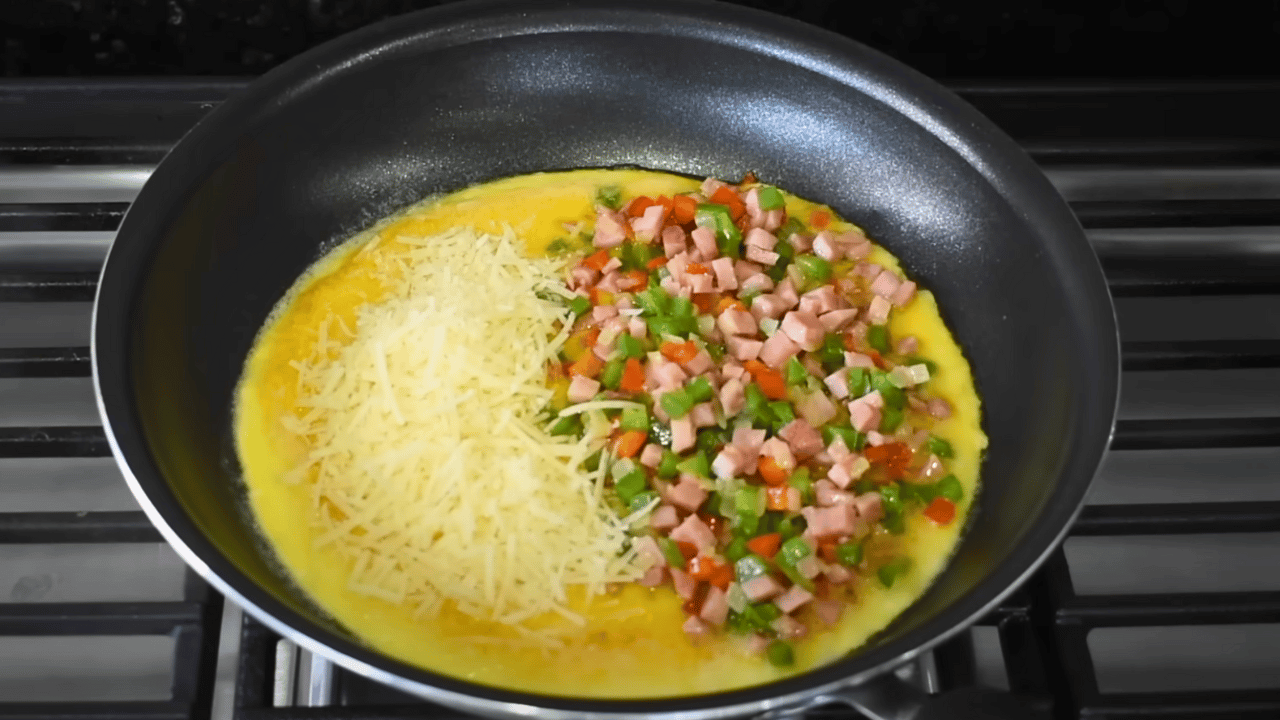
After you pour beaten eggs into your heated pan, resist the urge to immediately add your fillings. The magic happens in those first 30 to 60 seconds when the eggs undergo their initial transformation. During this brief period, you’re watching for two key visual cues that signal the perfect moment.
First, observe the edges of your omelette. They should begin to set and pull slightly away from the pan’s sides. This indicates that the proteins are coagulating properly without becoming tough. Second, look at the surface—it should appear slightly thickened but maintain a glossy, wet appearance in the center.
This timing creates the ideal foundation for your fillings while ensuring the eggs remain creamy and tender throughout the cooking process.
Why Timing Matters More Than You Think
The science behind omelette timing revolves around protein structure and heat distribution. Eggs contain proteins that begin to denature and coagulate when exposed to heat. If you add fillings too early, they can release moisture that prevents proper setting. Wait too long, and the eggs become overcooked before you even add your ingredients.
The glossy surface you’re looking for indicates that the bottom layer has set while the top remains fluid enough to incorporate fillings seamlessly. This balance allows the ingredients to nestle into the eggs without breaking the delicate structure you’ve created.
Professional chefs understand this timing instinctively, but home cooks can master it with practice and attention to these visual cues.
Visual Cues Every Home Cook Should Know
Learning to read your omelette requires developing an eye for subtle changes. The eggs will go through several phases during cooking, and recognizing each stage prevents common mistakes.
When you first pour the eggs, they’ll spread evenly across the pan with a completely liquid appearance. Within 15-20 seconds, you’ll notice the very edges beginning to firm up. This is too early for fillings.
By 30 seconds, the edges should be more defined, and tiny bubbles might appear on the surface. The center remains liquid, but you can see the transformation beginning. This marks the start of your ideal window.
At 45-60 seconds, you’ve reached the sweet spot. The edges are clearly set, the surface has that characteristic slight thickening with a glossy sheen, and the center is still pliable. This is your moment to act.
Common Mistakes That Ruin Perfect Omelettes
Many home cooks sabotage their omelettes by misreading these crucial timing signals. Adding fillings too early creates a soggy, unstructured mess where ingredients sink to the bottom and prevent proper cooking.
Conversely, waiting too long results in overcooked eggs that crack when you try to fold them. The proteins become tough and rubbery, losing that coveted silky texture that makes omelettes special.
Another frequent error involves using too high heat, which accelerates the cooking process and makes timing nearly impossible to control. Medium-low heat gives you the control needed to recognize and act on the visual cues.
Temperature consistency matters too. Fluctuating heat creates uneven cooking, making it difficult to achieve uniform setting across the entire omelette surface.
The Science of Egg Protein Coagulation
Understanding what happens inside your pan helps you make better timing decisions. Egg proteins exist in complex, folded structures that unfold when heated. This unfolding allows proteins to link together, creating the firm texture of cooked eggs.
The process begins around 140°F (60°C) and accelerates as temperature increases. The key is controlling this process to achieve partial coagulation—enough structure to support fillings without complete solidification.
Water content also plays a crucial role. Fresh eggs contain more water, which creates steam during cooking and helps maintain the glossy surface you’re seeking. This natural moisture contributes to the tender texture when timing is executed properly.
Perfecting Your Technique Through Practice
Start with simple fillings like cheese or herbs that don’t release excess moisture. These forgiving ingredients help you focus on timing without worrying about additional complications.
Use a non-stick or well-seasoned pan to prevent sticking and allow for easy observation of the setting process. Glass lids can help you monitor progress without losing heat, though experienced cooks learn to judge by sight and sound.
Practice with the same pan and heat setting until you develop muscle memory for your equipment’s behavior. Different pans conduct heat differently, so consistency in tools helps you master the timing.
Keep a mental timer running, but rely primarily on visual cues. Ambient temperature, egg temperature, and pan material all affect cooking speed, making rigid timing less reliable than observational skills.
Advanced Tips for Omelette Excellence
Professional techniques can elevate your home cooking. Gently swirl the pan during the first few seconds to ensure even distribution and prevent hot spots that cook unevenly.
Some chefs use a fork or spatula to gently pull set edges toward the center, allowing uncooked egg to flow underneath. This technique extends your timing window by slowing the overall cooking process.
Consider your filling choices carefully. Wet ingredients like fresh tomatoes should be salted and drained beforehand. Pre-cooked fillings like sautéed vegetables or cooked meats integrate better and won’t release moisture that affects timing.
Room temperature eggs cook more evenly than cold eggs straight from the refrigerator. Let them sit for 15-20 minutes before cooking for optimal results.
Troubleshooting Common Timing Issues
If your omelette sets too quickly, reduce heat and add a small amount of butter to slow the process. The fat creates a barrier that moderates temperature transfer.
When edges set too slowly, increase heat slightly or ensure your pan was properly preheated. A cold pan extends cooking time unpredictably and makes timing difficult to control.
Uneven setting often indicates temperature variations across the pan surface. Rotate the pan periodically or invest in heavier cookware that distributes heat more evenly.
Practice with plain omelettes before adding complex fillings. Master the basic timing first, then gradually introduce more challenging ingredients.
Building Confidence in the Kitchen
Perfect omelette timing becomes intuitive with experience. Start by making omelettes regularly, focusing solely on recognizing the visual cues rather than achieving perfect results immediately.
Document your successes and failures. Note heat settings, timing, and outcomes to develop your personal reference guide for your specific equipment and preferences.
Remember that even experienced cooks occasionally miss the timing window. The key is learning from each attempt and gradually developing the instinctive sense that separates good cooks from great ones.
Your Path to Omelette Mastery
Mastering omelette timing transforms breakfast from routine to remarkable. That critical 30-60 second window—when edges set and the surface achieves its glossy, slightly thickened appearance—represents the gateway to culinary success.
Practice recognizing these visual cues consistently, and you’ll develop the confidence to create restaurant-quality omelettes at home. Remember, the difference between good and great often lies in the details, and timing is the most crucial detail of all.
Start tomorrow morning with this knowledge, and watch as your omelette game reaches new heights. Your taste buds—and anyone lucky enough to share your kitchen—will thank you for mastering this essential cooking skill.