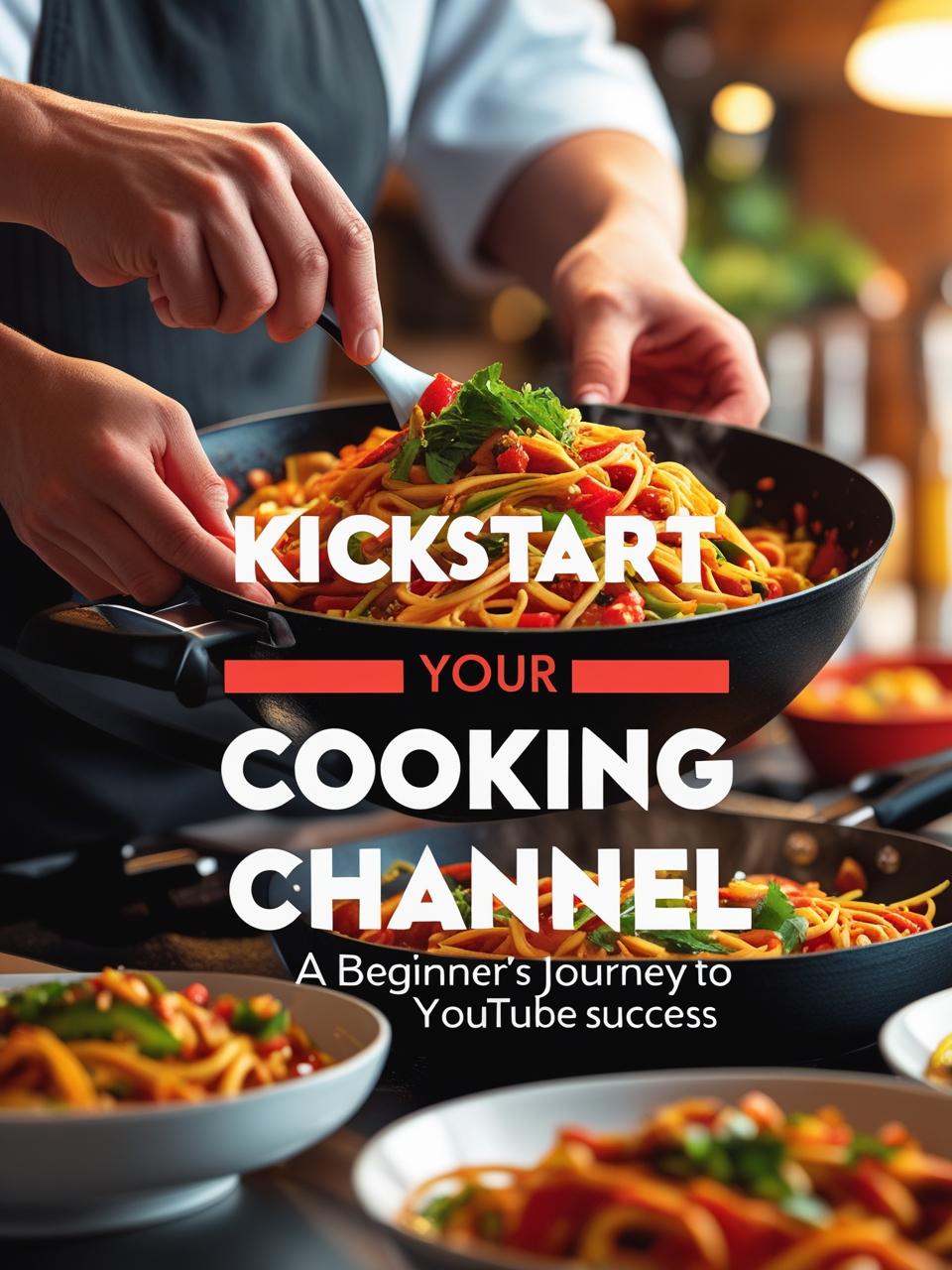
Kickstart Your Cooking Channel: A Beginner’s Journey to YouTube Success
Introduction
Are you looking to share your culinary creations with the world? “Kickstart Your Cooking Channel: A Beginner’s Journey to YouTube Success” is designed specifically for those who dream of turning their cooking passion into a thriving YouTube channel. This course will guide you through the essential steps needed to launch, grow, and succeed in the competitive world of online cooking content creation. Whether you’re an amateur chef or a seasoned home cook, this course will provide you with the tools and insights to make your cooking channel stand out.
Overview
This course offers a comprehensive roadmap for aspiring cooking channel creators. Participants will gain practical knowledge on content creation, audience engagement, video production, and marketing strategies tailored for YouTube. By the end of the course, you will not only understand the technical aspects of video production but also how to connect with your audience authentically, ensuring that your channel grows organically and sustainably.
Key Topics
- Setting Up Your Channel: Learn how to create and optimize your YouTube channel for maximum visibility.
- Content Planning: Discover how to brainstorm, plan, and structure your cooking videos to keep your audience engaged.
- Filming Techniques: Understand the basics of filming, including lighting, sound, and camera angles that enhance your cooking demonstrations.
- Editing Your Videos: Gain insights into editing software and techniques that can elevate the quality of your content.
- Audience Engagement: Explore strategies for building a community around your channel and interacting with your viewers.
- Marketing Your Channel: Learn how to effectively promote your videos and channel through social media and SEO strategies.
- Monetization Strategies: Understand various methods to monetize your channel, from ads to sponsorships.
Main Content Sections
The course is structured into clearly defined sections that build upon each other, ensuring a logical flow of information. Each section includes practical exercises and real-world examples to enhance your learning experience.
- Section 1: Setting Up Your Channel – This section covers the technical setup of your YouTube channel, including choosing a channel name, creating a profile picture and banner, and understanding YouTube’s policies and guidelines.
- Section 2: Content Planning – Here, you will learn how to develop a content calendar, brainstorm video ideas that resonate with your target audience, and create engaging scripts for your cooking videos.
- Section 3: Filming Techniques – This section dives into the essentials of filming, covering equipment suggestions, optimal lighting setups, and techniques to create visually appealing videos.
- Section 4: Editing Your Videos – Gain hands-on experience with popular editing software, learning how to cut, splice, and enhance your videos to maintain viewer interest.
- Section 5: Audience Engagement – Discover the importance of building a loyal audience, including tips on responding to comments, creating community posts, and utilizing live streams.
- Section 6: Marketing Your Channel – Explore strategies for promoting your channel through social media platforms, collaborations, and effective use of keywords to enhance discoverability.
- Section 7: Monetization Strategies – This final section introduces various monetization options available on YouTube, including ad revenue, affiliate marketing, and merchandise sales.
Learning Outcomes
By engaging with this course, participants will emerge with a solid foundation in creating a successful cooking channel on YouTube. You can expect to achieve the following outcomes:
- Develop a clear understanding of how to set up and manage a YouTube channel.
- Create compelling cooking content that attracts and retains viewers.
- Utilize filming and editing techniques to produce high-quality videos that showcase your culinary skills.
- Engage effectively with your audience to foster a supportive community around your channel.
- Implement marketing strategies to increase your channel’s visibility and subscriber count.
- Explore various monetization avenues to turn your passion into a profitable venture.
Target Readers
This course is ideal for anyone interested in starting a cooking channel on YouTube, from hobbyists to aspiring chefs. Whether you are looking to share family recipes, explore culinary techniques, or simply express your love for food, this course offers valuable insights and practical advice. Additionally, individuals with limited technical knowledge will find the content accessible and easy to follow, making it an excellent resource for beginners.
Table of Contents
- Chapter 1: Setting Up Your Channel
- Chapter 2: Content Planning
- Chapter 3: Filming Techniques
- Chapter 4: Editing Your Videos
- Chapter 5: Audience Engagement
- Chapter 6: Marketing Your Channel
- Chapter 7: Monetization Strategies
DISCLAIMER
The information provided in this course is intended solely for educational and informational purposes. The author does not accept any responsibility for the outcomes that may arise from the application of the material within. While efforts have been made to ensure the accuracy and relevance of the content, the author cannot be held accountable for any errors or omissions, or for any consequences resulting from the use or misuse of the information provided. The responsibility for any actions taken based on the information in this ebook lies solely with the reader.
Chapter 1: Setting Up Your Channel
Are you ready to embark on an exciting journey of sharing your culinary skills with the world? If you’ve ever dreamed of turning your love for cooking into a vibrant YouTube channel, you’re in the right place! “Kickstart Your Cooking Channel: A Beginner’s Journey to YouTube Success” is tailored specifically for aspiring content creators like you. With this guide, we’ll explore all the essential steps needed to launch, grow, and thrive in the dynamic realm of online cooking content creation.
Imagine this: You step into your kitchen, the aroma of spices fills the air, and you’re ready to create something magical. But how can you share that experience with others? Starting a YouTube channel can seem daunting, but with a structured approach, you’ll soon find yourself confidently presenting your culinary creations to a global audience. Let’s dive into the fundamental elements that will set the stage for your channel.
First, it’s crucial to define your niche. What type of cooking do you love? Are you passionate about healthy meals, decadent desserts, or perhaps quick weeknight dinners? Identifying your niche will not only help you target your audience but also distinguish you from the myriad of channels out there. For instance, if you specialize in vegan cuisine, you can cater to a growing community eager for plant-based recipes. Ask yourself: What unique experiences or recipes can I share that will resonate with viewers? This self-reflection is the first step in crafting your channel’s identity.
Next, let’s talk about branding. Your channel name is often the first impression viewers will have, so make it memorable and relevant to your content. Consider names that reflect your cooking style or personality. Have you ever thought about using your own name or a fun play on words? Whatever you choose, ensure it’s easy to spell and search for. Coupling your channel name with a visually appealing logo will enhance your brand. Don’t hesitate to tap into online tools or freelance designers to help create a captivating visual representation of your culinary journey.
Once you have your niche and branding established, it’s time to set up your YouTube channel. Creating a YouTube account is straightforward, but customizing it to reflect your unique brand is where the magic happens. Fill out your channel description with engaging and informative content that tells viewers who you are and what they can expect. Think of it as your channel’s elevator pitch: it should be concise yet compelling enough to entice viewers to hit that subscribe button. Why not include a fun fact about your cooking history or a personal story that connects you to your culinary passion?
Moving on to the practical side of things, let’s discuss equipment. You don’t need a professional studio to get started; many successful YouTubers began with just a smartphone and basic kitchen tools. However, as you progress, investing in a decent camera and microphone can significantly enhance your production quality. Good lighting is essential too—utilizing natural daylight or affordable softbox lights can make a world of difference. Remember, viewers are more likely to stick around if they can clearly see your delicious creations!
As you prepare to create content, consider developing a content calendar. Planning your videos in advance helps maintain consistency—a key factor in growing your audience. Think about the types of videos you want to create: recipe tutorials, cooking tips, or perhaps even behind-the-scenes glimpses into your cooking process. Mixing different formats can keep your channel fresh and engaging. Have you thought about including seasonal recipes or collaborating with other creators? These strategies can help expand your reach and introduce your channel to new audiences.
Lastly, let’s not overlook the importance of community engagement. Building a rapport with your viewers can foster a loyal following. Responding to comments, asking for feedback, and encouraging viewers to share their cooking experiences can create an interactive and supportive environment. You might consider hosting live cooking sessions or Q&A videos to connect with your audience in real-time. How wonderful would it be to share your knowledge and learn from others in the process?
In conclusion, setting up your YouTube cooking channel is an exciting venture filled with opportunities. By defining your niche, establishing your brand, customizing your channel, investing in the right equipment, planning your content, and engaging with your community, you’re well on your way to creating a successful platform for sharing your culinary passion. So, are you ready to take the plunge? Your audience is waiting to discover the incredible dishes you have to offer!
Chapter 2: Content Planning
Welcome to the heart of your cooking channel journey! In this chapter, we dive into the essential art of content planning. Think of this as the recipe that will guide you in creating engaging and delightful dishes for your audience. Just like in cooking, where the right ingredients lead to a delicious meal, a well-planned content strategy will ensure your channel grows and flourishes.
Before we begin, let’s reflect on why content planning is crucial. Have you ever watched a cooking show that felt chaotic, with the host jumping from one recipe to another without any clear direction? It’s not just confusing; it’s also less enjoyable. Your viewers deserve a structured, engaging experience that keeps them coming back for more. So, how do we achieve that? Let’s explore.
First, understanding your target audience is key. Who are you trying to reach with your culinary creations? Are they busy professionals looking for quick meals, families seeking budget-friendly recipes, or foodies eager to learn gourmet techniques? Knowing your audience helps you tailor your content to their interests and needs. For instance, if you aim to attract health-conscious viewers, incorporating nutritious recipes and tips for healthier cooking will resonate well with them. Have you thought about who your ideal viewer is? Take some time to outline their preferences and cooking habits.
Next, let’s talk about the importance of consistency. Just like a well-timed cooking show, your content needs a rhythm. Consider establishing a posting schedule—whether it’s weekly, bi-weekly, or monthly. Consistency fosters trust and anticipation among your audience. They’ll know when to tune in for their next culinary fix. But remember, quality over quantity is the mantra here. It’s better to post one exceptional video than to rush several mediocre ones. This leads us to the next important point: content variety.
Variety is the spice of life, and it applies to your cooking channel too! Mixing up your content can keep your viewers engaged and excited. You might start with traditional recipes, then dive into seasonal dishes, and later explore cooking techniques or kitchen hacks. Think about incorporating themed content, such as “Meatless Mondays” or “Family Feast Fridays.” This not only adds diversity to your channel but also helps in building a loyal audience. Have you brainstormed different themes that could work for your channel?
As you plan your content, consider creating a content calendar. This tool is invaluable for organizing your ideas, scheduling your shoots, and mapping out your editing timeline. A content calendar acts as your blueprint, helping you visualize what’s coming up next. It can also help you track seasonal trends, holidays, or events, allowing you to capitalize on popular topics. For example, creating holiday-inspired recipes or budget-friendly meals for back-to-school season can align perfectly with the interests of your viewers.
Now, let’s address the importance of storytelling in your videos. Every recipe has a backstory; it could be a family tradition, a memorable trip, or a personal challenge. Sharing these stories makes your content more relatable and engaging. Think about how you can weave narratives into your cooking demonstrations. Perhaps you can share a funny mishap that happened while preparing a dish or the significance of a recipe passed down through generations. This personal touch can make your viewers feel connected to you and your culinary journey.
Moreover, as you create content, always keep your audience’s engagement in mind. Encourage them to ask questions, share their cooking experiences, or suggest recipes they’d like to see. Engaging with your viewers fosters a sense of community and makes them feel like they are part of your journey. Consider incorporating viewer requests into your content planning—this not only brings fresh ideas but also shows that you value their input.
Lastly, as we wrap up this chapter on content planning, remember to embrace flexibility. While having a plan is essential, being adaptable is equally important. Trends change, and so do audience preferences. Don’t hesitate to pivot your content strategy if something isn’t resonating with your viewers. Regularly analyze your video performance and seek feedback. This will help you refine your content and ensure you’re meeting the needs of your audience.
In conclusion, content planning is a fundamental step in building a successful cooking channel. By understanding your audience, maintaining consistency, embracing variety, utilizing a content calendar, sharing personal stories, engaging with your viewers, and remaining flexible, you’ll be well on your way to creating compelling and enjoyable culinary content. Ready to whip up your first content plan? Let’s get cooking!
Chapter 3: Filming Techniques
As you embark on your journey to create a captivating cooking channel, understanding the art of filming is crucial. The visual aspect of your videos can make or break their success. Have you ever watched a cooking video where the food looked less than appetizing? It’s a reminder that quality filming techniques can significantly enhance viewer engagement and retention. In this chapter, we will explore essential filming techniques that will elevate your cooking videos, making them not only informative but visually appealing as well.
First and foremost, let’s talk about lighting. Proper lighting can transform a dull kitchen into a vibrant culinary studio. Natural light is your best friend; it’s soft, warm, and adds a touch of authenticity to your dishes. Position your setup near a window during the day, but if that’s not possible, consider investing in softbox lights or LED panels. Have you ever noticed how certain food videos seem to glow? That’s the magic of good lighting at work. Experiment with different angles and setups to find the best light for your dishes.
Next, let’s delve into camera angles. The way you frame your shots can greatly influence how your audience perceives your cooking process. An overhead shot is excellent for showing the entire cooking process, giving viewers a clear view of all the ingredients and steps involved. Meanwhile, close-ups are perfect for highlighting textures and details, especially when you’re plating a dish or showcasing the sizzle of a pan. Consider how you want your audience to feel while watching. Do you want them to feel like they are right there with you in the kitchen? Adjust your angles accordingly to create that intimate experience.
It’s also vital to think about the composition of your shots. A well-composed shot is more visually appealing and can draw viewers in. Use the rule of thirds: Imagine your screen divided into nine equal parts. Placing your subject at the intersections of these lines can create a more dynamic and engaging visual. For example, when you’re showcasing a delicious cake, position it slightly off-center, allowing the viewer’s eye to wander and appreciate the entire scene, including any beautiful kitchen décor in the background.
Sound quality is another critical aspect often overlooked by beginners. Have you ever tried to watch a video where the audio was muffled or filled with background noise? It can be quite frustrating. Investing in a good microphone can drastically improve the clarity of your voiceovers or commentary. Whether you choose a lapel mic or a shotgun mic, ensure that your audio is crisp and clear, allowing your viewers to focus entirely on your culinary instructions without distractions.
Editing plays a significant role in the final outcome of your cooking videos. Editing is where you can refine your footage, adding effects, transitions, and music to create an engaging story. Keep in mind that pacing is essential; too slow, and your audience might lose interest; too fast, and they might miss critical steps. Find a balance that allows viewers to follow along comfortably while maintaining excitement. Incorporating text overlays for ingredient lists or tips can also enhance understanding and retention.
Now, let’s discuss the importance of consistency in your filming style. Establishing a recognizable style not only helps build your brand but also creates a sense of familiarity for your audience. Whether it’s your choice of background music, the way you introduce your recipes, or your unique editing techniques, consistency can cement your identity as a chef on YouTube. Think about your favorite cooking channels. What elements do they consistently include? Use those as inspiration while developing your own unique style.
Lastly, don’t forget the power of storytelling. Beyond just recipes, your videos should tell a story. Whether it’s the story of a family recipe passed down through generations or a fun anecdote about a cooking mishap, sharing personal stories can create an emotional connection with your viewers. Ask yourself, what do you want your audience to take away from your video? Infusing your personality into your videos can make them more relatable and enjoyable to watch.
In conclusion, mastering filming techniques is integral to the success of your cooking channel. By focusing on lighting, camera angles, composition, sound quality, editing, consistency, and storytelling, you can create videos that are not only educational but also visually delightful. Remember, your goal is to inspire others to embrace cooking and to make it accessible to everyone. So grab your camera, experiment with these techniques, and let your culinary creativity shine!
Chapter 4: Editing Your Videos
Editing is where the magic truly happens in video creation. You might have the best recipe, the perfect lighting, and a charming personality, but without effective editing, your content might not resonate with viewers. This chapter is dedicated to helping you understand the essentials of video editing, ensuring that your culinary creations shine through beautifully and engagingly.
First, let’s consider why editing is crucial. Imagine you’re watching a cooking show, and the host is constantly fumbling with the camera, forgetting their lines, or taking long pauses. Frustrating, right? Good editing creates a seamless flow that keeps the audience engaged, making them feel as if they are part of the cooking journey. It allows you to cut out the unnecessary bits and highlight the most exciting moments, crafting a narrative that captivates your audience.
When you start editing your videos, the first step is selecting the right software for your needs. There are numerous options available, from beginner-friendly programs like iMovie and Windows Movie Maker to more advanced software like Adobe Premiere Pro and Final Cut Pro. What’s essential is to choose a tool that fits your skill level and the complexity of your editing needs. Remember, you don’t need to invest in the most expensive software right away. Many of the free or lower-cost options are perfectly capable of producing high-quality videos.
Once you have your editing software in hand, familiarize yourself with its features. Take some time to explore the interface, watch tutorial videos, and practice basic functions such as cutting clips, adding transitions, and inserting text overlays. Consider this your playground. Don’t be afraid to experiment; this is how you’ll discover what works best for your style. For instance, try out different transitions between clips—some might feel too abrupt, while others may help maintain the flow of your video.
As you begin to piece your video together, focus on storytelling. Each cooking segment should serve a purpose and contribute to the overall narrative you want to convey. Are you showcasing a traditional recipe passed down through generations, or are you experimenting with modern twists? Keep your audience in mind as you edit. What questions might they have? What information would they find helpful? Answering these questions can help guide your editing choices, ensuring your content is not only enjoyable but also educational.
Don’t underestimate the power of music and sound effects. They can significantly enhance the mood of your video and make it more engaging. For instance, upbeat music can create excitement when you’re showcasing a lively dish, while softer tunes might suit a more intimate cooking experience. Just ensure that any music you choose is royalty-free or properly licensed to avoid copyright issues. You can find a wealth of resources online for free or low-cost music that can elevate your videos without breaking the bank.
Another crucial aspect of editing is the use of captions and graphics. Text overlays can help clarify complex instructions or emphasize key points in your video. They are particularly useful when introducing ingredients or steps in a recipe. Think about how you can visually enhance your content—perhaps through on-screen lists of ingredients or highlighting cooking techniques. This not only aids understanding but can also make your video more visually appealing.
Finally, once you’ve edited your video, don’t skip the final review phase. Watch it through multiple times, ideally with fresh eyes after a break, to catch any errors or awkward moments. Consider sharing it with a trusted friend or family member to get their feedback. They may spot issues you’ve overlooked or suggest improvements that can elevate your video to the next level. Remember, the goal is to create content that you feel proud of, and sometimes a second pair of eyes can provide invaluable insights.
In conclusion, editing is a vital skill that can transform your cooking videos from ordinary to extraordinary. By choosing the right software, focusing on storytelling, enhancing your content with music and graphics, and thoroughly reviewing your final product, you can create videos that not only showcase your culinary talents but also engage and inspire your audience. So, grab your editing software, unleash your creativity, and let your cooking channel take flight!
Chapter 5: Audience Engagement
As you embark on your journey to share your culinary talents with the world, one of the most vital aspects you’ll encounter is audience engagement. This chapter explores the various strategies and techniques to connect with your viewers, ensuring they not only watch your videos but also become loyal fans of your cooking channel.
Imagine preparing a delicious meal while your audience watches, hanging onto every word and every slice. How can you make them feel as if they are right there in your kitchen with you? Engagement is not just about numbers; it’s about creating a community around your content. Let’s dive into the essential elements of audience engagement that will help your cooking channel thrive.
Firstly, it’s crucial to understand who your audience is. Take a moment to think about the types of viewers you want to attract. Are they novice cooks looking for easy-to-follow recipes, or are they seasoned chefs seeking advanced techniques? Knowing your audience allows you to tailor your content to their preferences, making it more likely that they will engage with your videos. For instance, if your target demographic is busy parents, consider sharing quick, nutritious meals that fit into their hectic schedules.
Now, let’s talk about the importance of storytelling in your videos. Every recipe has a story, whether it’s a family tradition or a personal experience that inspired it. By sharing these stories, you invite your viewers into your world, making them feel more connected to you and your content. Think of it as inviting friends into your kitchen for a casual chat while you cook. When you share personal anecdotes or the history behind a dish, it adds depth to your content and creates a memorable experience for your audience.
Another effective way to engage your viewers is by encouraging interaction. Ask questions during your videos, prompting them to share their thoughts in the comments section. For example, if you’re demonstrating how to make a classic spaghetti sauce, you might ask, “What’s your favorite ingredient to add to your sauce?” This simple technique not only fosters dialogue but also gives your audience a sense of ownership over the content. They’ll be more likely to return to your channel if they feel their opinions are valued.
Furthermore, consider incorporating live cooking sessions into your content strategy. Live streams offer a unique opportunity for real-time interaction, allowing viewers to ask questions and receive immediate responses. This format can help build a sense of community, as viewers may connect with one another while sharing their experiences and tips. Imagine hosting a live cook-along where viewers can follow your lead, share their results, and celebrate their victories together. This not only enhances engagement but also strengthens the bond among your audience.
In addition to live sessions, don’t overlook the power of social media in broadening your reach and fostering engagement. Platforms like Instagram, TikTok, and Facebook provide excellent avenues for sharing behind-the-scenes content, sneak peeks of upcoming videos, or even quick cooking tips. These platforms allow you to interact with your audience outside of YouTube, keeping your channel at the forefront of their minds. Share polls, ask for recipe suggestions, or even host contests to encourage participation. The more you engage with your audience on various platforms, the stronger your connection will become.
Another vital aspect of engagement is consistency. Establishing a regular posting schedule helps your audience know when to expect new content. Whether it’s weekly or bi-weekly, sticking to a schedule builds anticipation and keeps your viewers coming back for more. Consistency also signals to your audience that you are dedicated to providing them with quality content, enhancing their trust in you as a creator.
Finally, remember to celebrate your milestones with your audience. Whether you reach a certain number of subscribers or receive a particularly positive comment, sharing these moments fosters a sense of community. Thank your viewers for their support and invite them to be part of your journey. This not only shows your appreciation but also makes them feel like they are a part of your success story.
In conclusion, audience engagement is a crucial element in building a successful cooking channel on YouTube. By understanding your audience, sharing personal stories, encouraging interaction, utilizing social media, maintaining consistency, and celebrating milestones, you can create a loyal community around your culinary creations. Remember, your viewers are not just numbers; they are individuals who share a passion for cooking, and your channel can become a space where that passion thrives.
Chapter 6: Marketing Your Channel
In the digital age, simply creating content isn’t enough; you need to effectively market your cooking channel to reach your audience. Think about it: how many times have you stumbled upon a recipe video that caught your eye? That’s the power of good marketing! Now, let’s dive into some strategies that can help you get your culinary creations in front of more viewers.
First and foremost, it’s essential to understand your target audience. Who are they? Are they busy professionals looking for quick meals, health enthusiasts searching for nutritious recipes, or families seeking kid-friendly dishes? Knowing your audience will guide your content creation and marketing strategies. For instance, if your target audience is parents, you might want to focus on easy, family-oriented meals that can be cooked in under 30 minutes. Why not ask your viewers what they want to see? Engaging them directly not only builds community but also helps tailor your offerings to their preferences.
Next, let’s talk about social media. Platforms like Instagram, Facebook, and TikTok are invaluable tools for promoting your channel. Sharing behind-the-scenes shots of your cooking process or teaser clips of your upcoming videos can generate excitement and anticipation. Have you ever seen a mouth-watering dish on Instagram and felt compelled to find out how to make it? That’s the kind of engagement you want to create! Use hashtags strategically to increase visibility; for example, #CookingWith[YourName] or #EasyRecipes. These tags not only categorize your content but also make it discoverable to those interested in similar topics. Remember, consistency is key. Posting regularly keeps your audience engaged and interested in what you have to offer.
Another effective marketing strategy is to collaborate with other content creators. Think about it: when you collaborate with someone who has a similar audience, you gain exposure to their followers. This could be as simple as guest appearances on each other’s channels or creating joint cooking sessions. Consider inviting a fellow food blogger or a local chef to cook together. Your viewers will appreciate the variety and it can introduce them to new culinary techniques or ingredients. Plus, it’s a great way to network within the cooking community!
Email marketing is another powerful tool that shouldn’t be overlooked. Building an email list allows you to connect with your audience on a more personal level. Consider offering a free downloadable recipe e-book in exchange for their email sign-up. This not only provides value to your audience but also gives you an avenue to promote your new videos directly to them. Crafting engaging newsletters with cooking tips, upcoming video teasers, or even exclusive recipes keeps your audience informed and invested in your channel. Have you ever received a newsletter that made you excited to open it? That’s the kind of enthusiasm you want to cultivate with your own audience.
Don’t forget about the power of SEO (Search Engine Optimization). Using keywords that your audience might be searching for can significantly enhance your visibility on YouTube and other search engines. For example, if you create a video on “quick vegan dinners,” make sure to include those keywords in your title, description, and tags. This helps your videos appear in search results, making it easier for potential viewers to find you. Have you ever searched for a recipe and found exactly what you were looking for? That’s what effective SEO can do for your channel!
Lastly, be sure to engage with your audience. Respond to comments on your videos, ask for feedback, and create polls to involve them in your content creation process. This not only fosters a sense of community but also encourages viewers to become loyal subscribers. Think about your favorite YouTube creators—don’t you feel a connection with them when they respond to your comments or acknowledge your suggestions? Building that relationship can turn casual viewers into dedicated fans.
In conclusion, marketing your cooking channel is an ongoing journey that requires creativity, strategy, and engagement. By understanding your audience, leveraging social media, collaborating with other creators, utilizing email marketing, optimizing for search engines, and actively engaging with your viewers, you can significantly grow your channel. Remember, every great chef started somewhere, and with the right marketing techniques, your culinary creations can reach an audience eager to learn from you. So, are you ready to turn up the heat on your marketing efforts? Your cooking channel’s success awaits!
Chapter 7: Monetization Strategies
As you embark on your culinary journey on YouTube, one crucial aspect to consider is how to turn your passion into profit. Monetization strategies can often feel overwhelming, but understanding the avenues available to you can illuminate your path to success. In this chapter, we will explore various methods of monetizing your cooking channel, providing you with the tools and insights to navigate this exciting venture.
First, let’s talk about the most common method: ad revenue. Once you meet YouTube’s eligibility requirements, you can apply for the YouTube Partner Program. This allows you to earn money through ads displayed on your videos. But how do you ensure your channel qualifies? It’s essential to focus on building a community and creating engaging content that keeps viewers coming back. Think about it: have you ever binge-watched a cooking series? That’s the kind of engagement you want to foster. Consistency in posting and quality production can significantly boost your viewership, leading to more ad revenue.
Next up, affiliate marketing. This strategy involves promoting products or services and earning a commission on sales made through your unique referral link. Imagine you’re preparing a delicious pasta dish, and you recommend a specific brand of olive oil that you love and use in your recipes. By including an affiliate link in your video description, your viewers can easily purchase that oil, and you earn a percentage of the sale. It’s a win-win: your audience gets trusted recommendations, and you generate income! However, transparency is key; always disclose your affiliate relationships to maintain trust with your audience.
Another exciting avenue is sponsored content. As your channel grows, brands may reach out to collaborate with you. This could involve creating a recipe featuring their product or simply mentioning them in your videos. When considering sponsorships, align with brands that resonate with your cooking style and values. For instance, if you focus on healthy cooking, partnering with a brand that offers organic ingredients could enhance your credibility and appeal to your audience. Have you ever been swayed by a favorite chef’s endorsement? That’s the power of a genuine partnership!
Merchandising is another way to monetize your channel creatively. Have you ever thought about selling branded kitchen gadgets, cookbooks, or even aprons featuring your logo? This not only generates revenue but also fosters a sense of community among your viewers. They can show their support and love for your channel by purchasing items that reflect their passion for cooking. Plus, it adds a personal touch to your brand. Consider what unique items might resonate with your audience—what would they want to buy from you?
Don’t forget about membership options! Platforms like Patreon allow your most dedicated fans to support you through monthly subscriptions. In return, you can offer exclusive content, such as behind-the-scenes footage, special recipes, or live cooking classes. This creates a deeper connection with your audience and provides them with something extra. Think about it: how much would you love to have a monthly cooking session with your favorite chef? By offering similar experiences, you add value to your brand while earning extra income.
Lastly, consider leveraging your skills beyond YouTube. Hosting cooking classes, either online or in-person, can be a fantastic way to monetize your expertise. If you enjoy teaching, why not create a course that dives deeper into a specific culinary skill? Platforms like Skillshare or Teachable can help you reach a broader audience. Plus, this not only generates income but also establishes you as an authority in your niche. Imagine your viewers becoming enthusiastic students in your culinary class—how rewarding would that be?
In conclusion, monetizing your cooking channel is not just about making money; it’s about creating a sustainable and thriving community around your passion for food. By exploring diverse strategies like ad revenue, affiliate marketing, sponsored content, merchandising, membership options, and teaching, you can find the right mix that works for you. Remember, the key to success lies in authenticity and connection with your audience. As you embark on this journey, keep asking yourself: how can I provide value to my community while pursuing my culinary dreams? With dedication and creativity, the possibilities are endless!